Household Roadmap: Actions to Select the Best Memory Care Home for Your Loved One
Business Name: BeeHive Assisted Living Homes of Rio Rancho NM #1 - Dementia Care & Memory Care
Address: 204 Silent Spring Rd NE, Rio Rancho, NM 87124
Phone: (505) 221-6400
BeeHive Assisted Living Homes of Rio Rancho NM #1 - Dementia Care & Memory Care
BeeHive Assisted Living Homes of Rio Rancho NM #1 - Dementia Care & Memory Care is a premier Rio Rancho Assisted Living facilities and the perfect transition from an independent living facility or environment. Our Alzheimer care in Rio Rancho, NM is designed to be smaller to create a more intimate atmosphere and to provide a family feel while our residents experience exceptional quality care. We promote memory care assisted living with caregivers who are here to help. Memory care assisted living is one of the most specialized types of senior living facilities you'll find. Dementia care assisted living in Rio Rancho NM offers catered memory care services, attention and medication management, often in a secure dementia assisted living in Rio Rancho or nursing home setting.
204 Silent Spring Rd NE, Rio Rancho, NM 87124
Business Hours
A good memory care home is not just a much safer address. It is a therapeutic environment where regimens, personnel skills, and structure style all interact to reduce distress, assistance staying abilities, and offer families back the function of daughter, kid, or partner rather than full‑time crisis manager. Selecting that home requires more than a quick tour and a price sheet. It takes a clear-eyed inventory of requirements, a grasp of trade‑offs, and a plan for examining what you can not see at first glance.
I have sat with households at kitchen tables and in health center discharge lounges arranging through these choices. The pattern repeats: a crisis, a scramble, then months spent loosening up a hasty choice. The steadier path starts previously, even if a move is months away. What follows is the process I utilize, with information you can adapt to your household's situation.
Map the needs before you call a single community
Start with today's truths, not what you hope will improve. Dementia care is dynamic, and the ideal fit depends on particular behaviors, medical comorbidities, and the abilities needed throughout a complete day, not simply throughout the easy hours.
Consider how your loved one finishes with bathing, dressing, toileting, and consuming. Note where assistance is hands‑on versus cueing just. Note the behaviors that increase danger or distress: wandering, exit looking for, agitation at sundown, resistance to care, sleep turnaround. Medical conditions matter too. Diabetes with insulin, oxygen reliance, persistent kidney illness, cardiac arrest, or a history of falls can narrow options since some memory care homes are not accredited or staffed to manage intricate medical needs.
Timing shapes quality. If you can, prevent searching from a health center bed. Transitions stick better when the individual with dementia is medically steady, sleeping fairly well, and getting in a home where the care group has time to discover their rhythms. If a relocation is required by a hazardous circumstance, prioritize neighborhoods with specialized intake teams who can support behavior and work together rapidly with the main clinician.
Know the distinctions: assisted living versus a dedicated memory care home
Families typically start with assisted living due to the fact that it feels familiar, like an apartment with aid. Numerous assisted living neighborhoods likewise run a protected memory care wing, sometimes called a community. The fit depends upon your loved one's symptoms, the structure design, and the team's training.
Assisted living works best for those who are socially engaged, still follow hints, and require minimal support. Corridors are longer, homes are bigger, and staff frequently care for residents with a broad series of needs. On the other hand, a purpose‑built memory care home shortens range between bedroom, restroom, and typical spaces, uses visual hints to minimize confusion, and permits free movement within a safe and secure boundary. The personnel get extra dementia‑specific training and the daily schedule blends structure with flexibility.
Some households fear a protected unit indicates a loss of flexibility. In practice, the best memory care home typically provides more meaningful autonomy due to the fact that the environment is crafted for it. Your loved one can stroll securely, sign up with activities without intricate sign‑ups, and eat when hungry rather than at a single sitting. The trade‑off is apartment size and privacy. Rooms are smaller sized, and doors might be intentionally open throughout the day for observation. If roaming and exit seeking are regular, a devoted memory care home generally supplies a much better safety and quality equation than a general assisted living setting with intermittent checks.
Get truthful about spending plan and how payment actually works
Sticker shock prevails. Nationally, standalone memory care pricing frequently varies from roughly 5,000 to 10,000 dollars per month, sometimes greater in seaside cities. Assisted living with dementia care add‑ons may start near 4,000 and scale with care needs. Prices models differ: some neighborhoods bundle care into tiers, others charge a base lease plus made a list of care points. 2 quotes that look similar can diverge by 1,000 dollars or more once care levels, incontinence materials, and medication management charges are added.
Medicare does not pay for space and board in a memory care home. It covers time‑limited skilled services such as physical treatment, nursing visits, and hospice, which can be provided in the house. Medicaid protection is state‑specific. Many states run waiver programs that aid with assisted living and memory care expenses, but participation is capped and waitlists prevail. Veterans and enduring spouses might qualify for Help and Participation advantages. Long‑term care insurance coverage can balance out a substantial part if the policy covers assisted living or memory care and the benefit triggers are fulfilled. Ask directly whether the community accepts Medicaid after a private pay period, and if so, how long the spend‑down expectation is. If they do not, prepare for what takes place when funds run low.
The humane financial plan consists of buffers for surprises. Falls, infections, or hospitalizations can temporarily need one‑to‑one supervision or transportation. Expect incidental costs: incontinence materials, foot care, haircuts, mobile dentistry, and periodic sitter hours for medical consultations. If the neighborhood needs you to employ private duty assistants in specific scenarios, know the hourly rates and minimum shifts in your market.
Build a shortlist with location, licensure, and performance history in mind
Start close enough for frequent visits, a minimum of in the first months. A 20 to 40 minute drive can be a sweet spot in city locations. Distance matters not just for benefit however likewise because households who show up regularly tend to capture small concerns early.
Verify licensure and evaluation history through your state's health department or licensing company. States use various labels for memory care home types, however many release study results and complaint histories online. A clean record does not ensure excellence, and a shortage does not ensure bad care. Read the details. A repeated pattern of medication errors or insufficient staffing should have weight.
Talk to professionals who see multiple neighborhoods from the within: health center case managers, home health nurses, occupational therapists, and geriatric care managers. Ask which puts deal with hard habits without reflexively sending out residents to the emergency room. When they lower their voice a notch and say, that group can hold the line when things get hard, listen.
Prepare for tours that reveal how care is really delivered
Fancy lobbies can distract from the floors where life happens. Tours should consist of corridors, dining rooms, activity areas, outside areas, and a typical resident room. Attempt to visit at different times, such as late afternoon when sundowning can peak.
Use these 5 concerns as your pre‑tour list:
- How lots of residents remain in the memory care unit, what are typical staff‑to‑resident ratios by shift, and who is on website overnight?
- What dementia‑specific training do all staff receive before working alone, and how many hours of annual continuing education are required?
- How are habits examined and addressed, and who chooses when to alter a care strategy or call a physician?
- How are medications administered and fixed up at move‑in, and who covers after‑hours medication needs or immediate refills?
- What takes place if a resident falls, tries to leave, declines care, or is hospitalized, and what are the limits for discharge or transfer?
Ratios differ by state guidelines and business policy. In lots of well‑run memory care homes, you will hear daytime ratios near one caretaker for 6 to 8 homeowners, with a nurse on site or on call, and nighttime ratios more detailed to one for 10 to twelve. Training depth matters as much as hours. Excellent programs go beyond slide decks to role‑playing, watching, and training on how to approach individual care without setting off resistance.
Watch the micro‑interactions. Do staff speak to citizens at eye level, call them by preferred names, and offer options framed merely? Is the environment noisy and chaotic or calm with purposeful activity? Exist homeowners parked in hallways without engagement? Odors tell stories. Intermittent quick odors take place, remaining sour or urine smells throughout multiple visits recommend staffing or systems issues.
Look for little ecological cues: contrasting toilet seats that improve exposure, memory boxes outside bed room doors, natural light in common spaces, secure access to an outdoor courtyard. Inquire about laundry practices. Mixing all resident clothing together is faster, but individualized laundry minimizes loss and appreciates dignity.
Probe clinical scope and partnerships
Dementia rarely takes a trip alone. If your loved one has Parkinson's illness, prior strokes, insulin‑dependent diabetes, or a feeding tube, verify whether the memory care home can manage those needs under its license. Ask how they coordinate with external suppliers: mobile x‑ray, wound care, podiatry, psychological health, and hospice. When habits intensify, do they immediately send out locals to the emergency situation department, or can they stabilize with in‑house medical assistance and medication adjustments purchased by a familiar clinician?
Medication management is another pressure point. Errors often cluster at move‑in when blister packs modification, as‑needed drugs are reordered, or a caretaker misreads an old tablet bottle. A strong memory care group owns the medication reconciliation procedure, calls the recommending clinician to clarify, and develops a teaching prepare for staff on any high‑risk medications such as anticoagulants, antipsychotics, and insulin.
If your loved one is approaching late‑stage dementia, explore hospice now. Hospice can work alongside memory care to handle symptoms, provide devices, and support the family. Ask whether the community invites hospice groups and how they work together on after‑hours needs.
Culture fit matters as much as clinical fit
Two memory care homes may provide identical services on paper and feel completely various. Culture appears in the rhythms of a day. Are showers required at 7 a.m. Since the schedule states so, or moved to 2 p.m. Because that is when your dad is relaxed after lunch? Is breakfast plated for everyone at the same time, or can early risers consume at 6:30 a.m. While late sleepers take pleasure in a warm meal at 9:30?
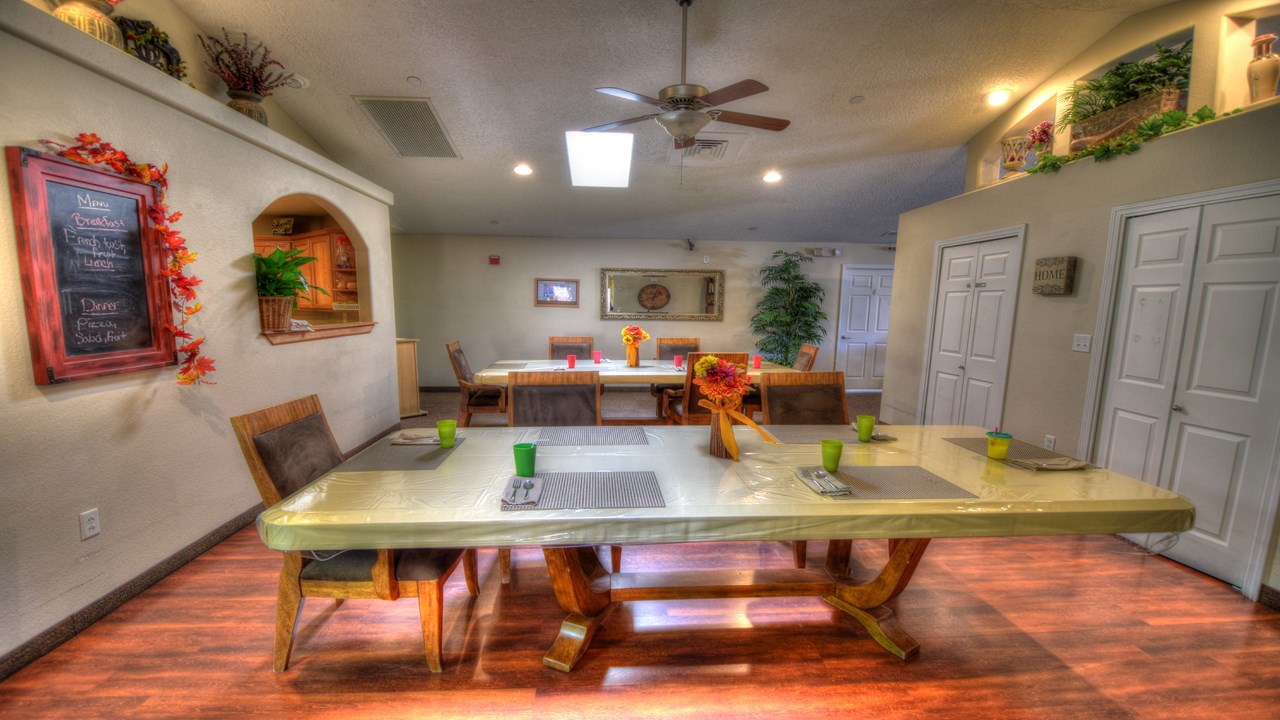
Dining is a window into dignity. Customized diet plans must be appealing and safe, not beige mush. Personnel who sit for a few minutes and share a bite design the pace and social tone that assists citizens stay engaged. Try to find versatile seating that reduces overstimulation, finger‑food options for those who roam, and a plan for hydration beyond a single cup at mealtimes.
Activities need to match cognitive phases and individual history. A generic bingo hour is lesser than a music session that use memory, a brief gardening task that utilizes long‑held abilities, or a basic job like folding towels that uses function. The best programs deal with homeowners as people with pasts, not clients with symptoms.
Family interaction is not a newsletter, it is a reputable two‑way loop. Ask how and when the team updates households, who you call initially if something feels incorrect, and how care plan meetings are arranged. A home that invites unannounced visits and responds rapidly to small issues is most likely to capture big issues early.
Spot the warnings and the true green lights
When you lower whatever you see and hear into a few signs, patterns become clearer. Use these paired examples to calibrate your gut.
- Red flag: Personnel can not tell you particular resident regimens or choices and say, we do showers on Mondays and Thursdays. Green light: Personnel rattle off personal details effortlessly and describe how they flex care, we discovered Mr. Ortiz chooses a warm washcloth on his neck before shaving, so we start there and he smiles.
- Red flag: Activity calendars are packed, but you see few individuals engaged and numerous asleep in front of a TELEVISION. Green light: A calmer schedule with little group or one‑to‑one activities underway, and personnel who carefully welcome, not pressure.
- Red flag: Repeated alarms at exit doors and an employee screaming, Wait, do not go there. Thumbs-up: Less reliance on piercing alarms, with visual barriers, significant destinations inside the system, and staff who redirect with connection rather than commands.
- Red flag: Protective answers to event reports or medication mistakes, framed as, families sign a danger type. Thumbs-up: Transparent incident evaluations, proactive calls, and clear plans to reduce recurrence.
- Red flag: Agreements with broad discharge clauses about being a threat to self or others, with little uniqueness. Green light: Clear, behavior‑based requirements for retention or transfer, and a recorded procedure for step‑up assistance before any discharge.
Read the contract like it controls your future, since it does
The glossy brochure is marketing. The residency contract governs reality. Concentrate on 3 areas: care level changes, discharge criteria, and rate changes. Tiered care models frequently consist of periodic reassessment that can trigger cost increases. Ask who performs assessments, how typically, and whether you can participate. Scrutinize clauses about two‑person helps, incontinence, or roaming that might press your loved one into a higher tier.
Discharge language should have unique attention. Lots of arrangements enable the community to ask a resident to leave for safety or nonpayment. What does safety indicate in practice? Request examples. Get clarity on notice durations and refunds. If the neighborhood is personal pay only, and your budget counts on a home sale or long‑term care insurance compensations, validate timelines and whether late payments sustain penalties.
State regulations lay out residents' rights, however enforcement differs. If you do not comprehend a provision, request plain‑language descriptions in composing. A trusted memory care home will invite your questions and regard your caution.
Plan the shift as a clinical and emotional process
A relocate to a memory care home is as much about trust as it is about logistics. The much better the handoff, the fewer rocky weeks you will endure.
Line up doctor orders early, including present medications with does and signs. Deal with the community nurse to finish medication reconciliation, preferably with the primary clinician on a call. If your loved one uses a pharmacy with delivery delays, consider the neighborhood's favored drug store for the very first month to prevent gaps.
Personalize the space with familiar however not chaotic items. One or two cherished images, a preferred blanket, the exact same reading lamp from home. Keep furnishings scaled to the area with clear walking lines. Label clothes and bring additionals. Comfy, non‑slip shoes matter more than good ones.
Move in day goes best when it is not a surprise yet likewise not debated constantly. For some, a mild therapeutic fib smooths the shift, for example, we are here for a stay while the house is being worked on. Stay long enough to produce a calm start, then let personnel take the lead. Sticking around for hours can heighten distress. Plan a brief visit later that day or the next early morning to enhance that you are present and your loved one is safe.
Expect an acclimation duration that can stretch from days to a couple of weeks. Cravings may dip, sleep may be irregular, and habits can spike. This does not suggest it was the incorrect choice. It suggests change is tough for a damaged brain. Daily check‑ins with the nurse and a scheduled care huddle at the end of week one can calibrate strategies.
Monitor results, not guarantees, in the first 90 days
Families who remain engaged after move‑in tend to improve outcomes. Track a few easy markers: weight, falls, sleep, number of as‑needed medications used, and participation in at least one pleasurable activity each day. If your loved one is on antipsychotics or sedatives, ask for the precise dosing and the habits targets. Any brand-new psychotropic should have a start date, a reassessment plan, and a taper discussion.
Attend the very first care plan meeting personally if possible. Bring your observations and a list of priorities, such as decreasing nighttime uneasyness or improving hydration. Share particular soothing strategies that worked at home, preferred tunes, hobbies, or faith practices. With time, you must see fewer crises and more stretches of calm. If not, ask what the team will try next. Excellent dementia care iterates.
A brief case vignette to show trade‑offs
Mrs. Liang, a retired tailor with moderate Alzheimer's disease, lived with her daughter in a two‑story home. She roamed during the night, resisted showers, and had actually poorly controlled diabetes. The child wanted a little assisted living near her workplace. The structure was charming, the apartment or condo roomy, and the rate lower than a dedicated memory care home ten minutes further away.
On paper, the assisted living could accommodate cueing for hygiene and insulin injections. During the tour, we saw long hallways and no secured yard. Staff were kind however brought heavy assignments throughout several floors. The memory care home felt less grand however had short sightlines, a peaceful rhythm at 4 p.m., and a nurse who discussed how they utilized warm washcloths and music during bathing. memory care near me They partnered with a mobile endocrinology service and had a standing procedure for nocturnal roaming that did not rely on alarms.
Three months after picking the memory care home, Mrs. Liang's A1C enhanced and night strolling decreased. Showers moved to early afternoon after tai chi music. The daughter went to 3 times a week, in some cases bringing material squares to fold, and she noticed fewer bruises and more smiles. The apartment would have been prettier. The result was better where the environment and staff abilities matched the habits patterns.
Edge cases that need special handling
Young start dementia provides special challenges. Citizens in their 50s or early 60s have more physical energy, stronger voices, and different interests. Ask specifically whether the memory care home has experience with younger residents and how they adjust activities. A quiet system geared to late‑stage citizens may irritate a more youthful person and trigger more behavioral issues.
Wandering with elopement attempts raises the stakes. Look beyond locked doors to the overall style. Good memory care homes use circular strolling paths, locations like a garden or workbench, and discrete access control that does not promote exits. Ask the number of successful elopements occurred in the previous year, how personnel reacted, and what altered afterward.
Bilingual needs can be the distinction between agitation and calm. If your loved one goes back to a first language, try to find staff who can interact in it or creative supports such as multilingual activity leaders and cue cards. Food that matches cultural preferences is not a luxury in dementia care, it is a care tool.
Couples often wish to move together, even if only one partner requires memory care. A few neighborhoods allow shared spaces in the memory care unit, others coordinate throughout assisted living and memory care with linked regimens. Weigh the benefits of togetherness versus the healthy partner's requirement for rest and social outlets. It is appropriate, and typically sensible, to focus on the safety and well‑being of both instead of forcing a single solution.
Pets can soothe or stress. Some memory care homes welcome little pets owned by the resident if family manages veterinary care and grooming. More commonly, communities use therapy animals on scheduled visits. If a lifelong animal is main to identity, ask early about policies and whether an innovative happy medium exists.
When the household disagrees
Disagreement is typical. Brother or sisters who live out of state in some cases push for more home care, while the primary caretaker sees installing exhaustion and threats. Generate an unbiased voice. A geriatric care supervisor or social worker can assess care needs and home security, then present choices with benefits and drawbacks. Frame the decision around the individual's best interests and measurable outcomes, not regret or promises made years ago when situations were different.
If your loved one can still express preferences, include them in ways that do not overwhelm. Options like space design or meal options offer company without positioning the problem of the proceed their shoulders. Keep discussions simple and compassionate.
The quiet tests that matter most
A memory care home earns trust by how it handles the unintended. Ask each place to inform you about a hard week. Listen for specifics, not platitudes. Pay attention to how they speak about homeowners and families when they think you are not listening. If a caretaker stops to adjust a sweatshirt on someone who is cold, if a maid greets citizens by name, if a nurse confesses an error and describes a repair, you are seeing the culture that will bring your loved one through the hard days.
Selecting a memory care home is not about finding perfection. It has to do with choosing a group and an environment that can fulfill your loved one where they are, adapt as needs alter, and deal with everybody involved with respect. Start with requirements, verify the scope, test the culture, and protect the essentials in composing. Then provide the brand-new regular time to settle. When the fit is right, you will notice less emergency situations, more common minutes, and a steadier version of domesticity returning.
BeeHive Assisted Living Homes of Rio Rancho NM #1 - Dementia Care & Memory Care provides assisted living care
BeeHive Assisted Living Homes of Rio Rancho NM #1 - Dementia Care & Memory Care provides memory care services
BeeHive Assisted Living Homes of Rio Rancho NM #1 - Dementia Care & Memory Care provides respite care services
BeeHive Assisted Living Homes of Rio Rancho NM #1 - Dementia Care & Memory Care supports assistance with bathing and grooming
BeeHive Assisted Living Homes of Rio Rancho NM #1 - Dementia Care & Memory Care offers private bedrooms with private bathrooms
BeeHive Assisted Living Homes of Rio Rancho NM #1 - Dementia Care & Memory Care provides medication monitoring and documentation
BeeHive Assisted Living Homes of Rio Rancho NM #1 - Dementia Care & Memory Care serves dietitian-approved meals
BeeHive Assisted Living Homes of Rio Rancho NM #1 - Dementia Care & Memory Care provides housekeeping services
BeeHive Assisted Living Homes of Rio Rancho NM #1 - Dementia Care & Memory Care provides laundry services
BeeHive Assisted Living Homes of Rio Rancho NM #1 - Dementia Care & Memory Care offers community dining and social engagement activities
BeeHive Assisted Living Homes of Rio Rancho NM #1 - Dementia Care & Memory Care features life enrichment activities
BeeHive Assisted Living Homes of Rio Rancho NM #1 - Dementia Care & Memory Care supports personal care assistance during meals and daily routines
BeeHive Assisted Living Homes of Rio Rancho NM #1 - Dementia Care & Memory Care promotes frequent physical and mental exercise opportunities
BeeHive Assisted Living Homes of Rio Rancho NM #1 - Dementia Care & Memory Care provides a home-like residential environment
BeeHive Assisted Living Homes of Rio Rancho NM #1 - Dementia Care & Memory Care creates customized care plans as residents’ needs change
BeeHive Assisted Living Homes of Rio Rancho NM #1 - Dementia Care & Memory Care assesses individual resident care needs
BeeHive Assisted Living Homes of Rio Rancho NM #1 - Dementia Care & Memory Care accepts private pay and long-term care insurance
BeeHive Assisted Living Homes of Rio Rancho NM #1 - Dementia Care & Memory Care assists qualified veterans with Aid and Attendance benefits
BeeHive Assisted Living Homes of Rio Rancho NM #1 - Dementia Care & Memory Care encourages meaningful resident-to-staff relationships
BeeHive Assisted Living Homes of Rio Rancho NM #1 - Dementia Care & Memory Care delivers compassionate, attentive senior care focused on dignity and comfort
BeeHive Assisted Living Homes of Rio Rancho NM #1 - Dementia Care & Memory Care has a phone number of (505) 221-6400
BeeHive Assisted Living Homes of Rio Rancho NM #1 - Dementia Care & Memory Care has an address of 204 Silent Spring Rd NE, Rio Rancho, NM 87124
BeeHive Assisted Living Homes of Rio Rancho NM #1 - Dementia Care & Memory Care has a website https://beehivehomes.com/locations/rio-rancho/
BeeHive Assisted Living Homes of Rio Rancho NM #1 - Dementia Care & Memory Care has Google Maps listing https://maps.app.goo.gl/FhSFajkWCGmtFcR77
BeeHive Assisted Living Homes of Rio Rancho NM #1 - Dementia Care & Memory Care has Facebook page https://www.facebook.com/BeeHiveHomesRioRancho
BeeHive Assisted Living Homes of Rio Rancho NM #1 - Dementia Care & Memory Care has a YouTube Channel at https://www.youtube.com/@WelcomeHomeBeeHiveHomes
BeeHive Assisted Living Homes of Rio Rancho NM #1 - Dementia Care & Memory Care won Top Memory Care Homes 2025
BeeHive Assisted Living Homes of Rio Rancho NM #1 - Dementia Care & Memory Care earned Best Customer Service Award 2024
BeeHive Assisted Living Homes of Rio Rancho NM #1 - Dementia Care & Memory Care placed 1st for Assisted Living Communities 2025
People Also Ask about BeeHive Assisted Living Homes of Rio Rancho NM #1 - Dementia Care & Memory Care
What is BeeHive Homes of Rio Rancho Living monthly room rate?
The rate depends on the level of care that is needed (see Pricing Guide above). We do a pre-admission evaluation for each resident to determine the level of care needed. The monthly rate is based on this evaluation. There are no hidden costs or fees
Can residents stay in BeeHive Homes of Rio Rancho until the end of their life?
Usually yes. There are exceptions, such as when there are safety issues with the resident, or they need 24 hour skilled nursing services
Does BeeHive Homes of Rio Rancho have a nurse on staff?
No, but each BeeHive Home has a consulting Nurse available 24 – 7. if nursing services are needed, a doctor can order home health to come into the home
What are BeeHive Homes of Rio Rancho visiting hours?
Visiting hours are adjusted to accommodate the families and the resident’s needs… just not too early or too late
Do we have couple’s rooms available?
Yes, each home has rooms designed to accommodate couples. Please ask about the availability of these rooms
Where is BeeHive Homes of Rio Rancho located?
BeeHive Homes of Rio Rancho is conveniently located at 204 Silent Spring Rd NE, Rio Rancho, NM 87124. You can easily find directions on Google Maps or call at (505) 221-6400 Monday through Friday 9:00am to 5:00pm
How can I contact BeeHive Homes of Rio Rancho?
You can contact BeeHive Assisted Living Homes of Rio Rancho NM #1 - Dementia Care & Memory Care by phone at: (505) 221-6400, visit their website at https://beehivehomes.com/locations/rio-rancho, or connect on social media via Facebook or YouTube
Take a short drive to Joe's Pasta House - Rio Rancho . Joe’s Pasta House offers comfort food in a welcoming setting that supports assisted living, memory care, senior care, elderly care, and respite care dining visits.